Creating a cozy and productive home office space can make a significant difference in how you work and feel throughout the day. Whether you work remotely full-time or occasionally need a quiet spot to focus, having a designated area that is both inviting and efficient is essential. This post will guide you through practical tips on how to create a home office that balances comfort and productivity.
Choose the Right Location
The first step in setting up your home office is selecting the right spot. Ideally, you want a space that minimizes distractions and separates work from your home life.
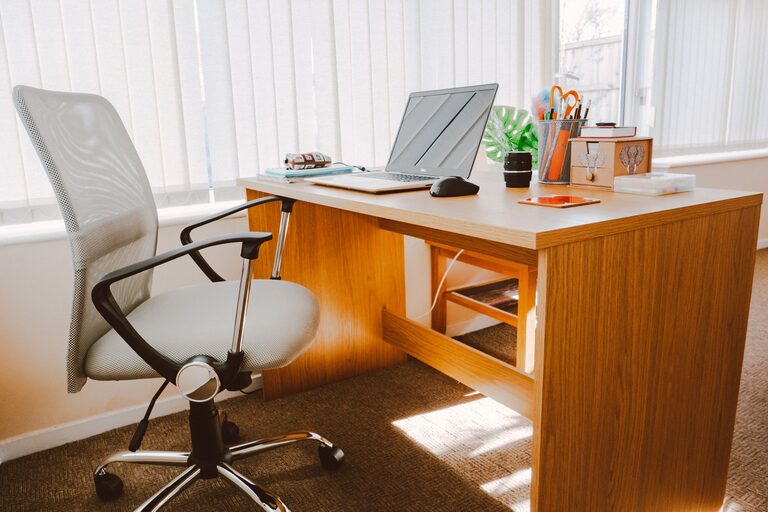
– Natural Light: Pick a place near a window to enjoy plenty of natural light, which is known to improve mood and energy.
– Quiet Environment: Avoid high-traffic areas like the living room or kitchen to reduce noise and interruptions.
– Space Availability: Make sure the area is large enough to accommodate your desk, chair, and any additional equipment you need.
If space is limited, consider creative options like a nook, a section of a bedroom, or even a fold-away desk area.
Invest in Comfortable and Supportive Furniture
Comfort plays a huge role in maintaining productivity. Spending time seated in an uncomfortable chair can lead to fatigue and discomfort.
– Ergonomic Chair: Choose a chair that supports your posture and has adjustable height and back support.
– Appropriate Desk: The desk should fit your space and work needs. It can be a traditional desk, a standing desk, or even a compact wall-mounted option.
– Footrest and Accessories: If needed, use a footrest to help maintain good posture and reduce strain.
Comfortable furniture encourages longer focus sessions without physical discomfort.
Organize Your Workspace Efficiently
A cluttered desk can cause distraction and stress. Keeping your workspace organized allows you to find what you need quickly and stay focused.
– Declutter Regularly: Only keep items you use daily within reach.
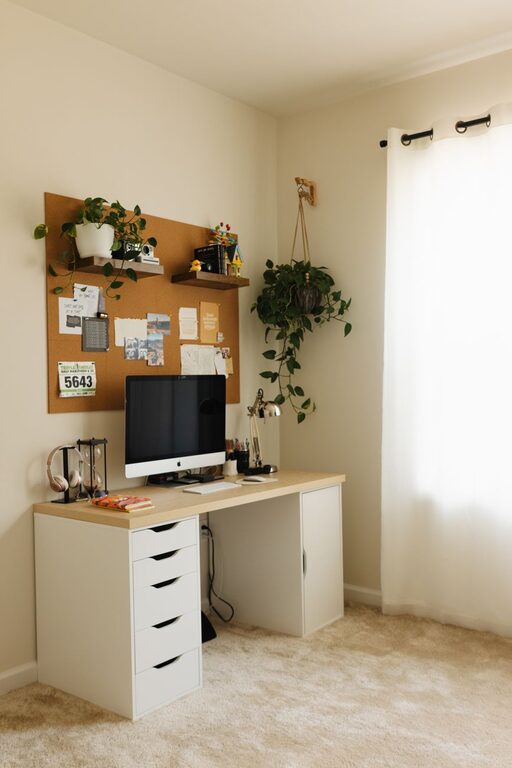
– Use Storage Solutions: Shelves, drawers, and organizers can help keep papers, supplies, and gadgets tidy.
– Cable Management: Use clips or cable sleeves to manage cords and prevent them from tangling.
Labeling storage boxes and using drawer dividers can also simplify your work routine.
Personalize Your Space
Making your office feel personally inviting can boost your mood and motivation.
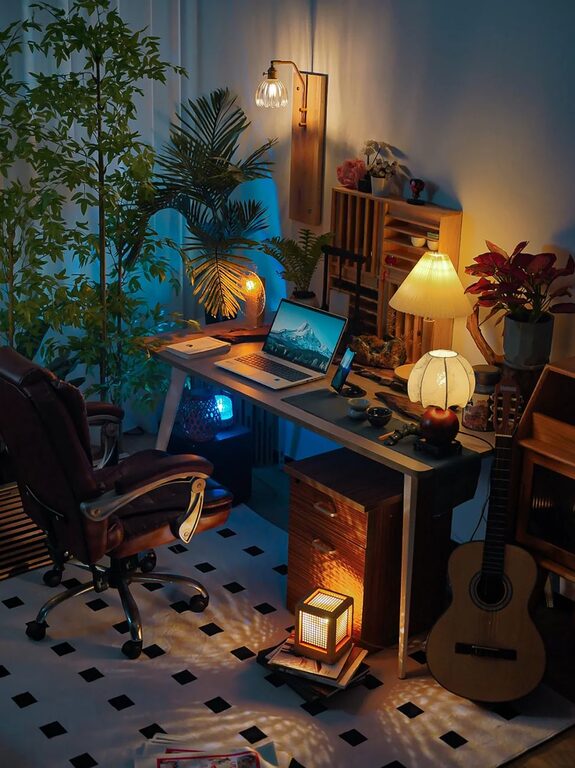
– Decorate with Plants: Small plants improve air quality and add life to your workspace.
– Add Artwork: Pictures or posters that inspire or calm you can make the environment enjoyable.
– Use Your Favorite Colors: Incorporate colors you find soothing or energizing through décor or office supplies.
However, be mindful not to overcrowd your space with decorations that may become a distraction.
Optimize Lighting
Good lighting is crucial for both comfort and productivity.
– Natural Light First: Maximize daylight as much as possible.
– Layer Your Lighting: Use a combination of overhead, task, and ambient lights.
– Adjust Brightness: A desk lamp with adjustable brightness can reduce eye strain during evening hours.
Avoid glare on your computer screen by positioning lights and monitors carefully.
Set Clear Work Boundaries
Creating a workspace that signals “work time” helps maintain focus and balance.
– Designate Work Hours: Stick to a schedule as if you are going to an office.
– Use Physical Barriers: A room divider or curtain can signal when the workspace is “closed.”
– Minimize Home Distractions: Let family members know your work hours and try to limit interruptions.
Establishing boundaries encourages a healthy work-life balance and reduces burnout.
Equip Your Office with Necessary Technology
Having the right tools can improve how smoothly your workday goes.
– Reliable Internet: A strong connection is essential for virtual meetings and cloud work.
– Quality Equipment: Invest in a good keyboard, mouse, and headset if needed.
– Backup Options: Consider external hard drives or cloud storage for important documents.
Regularly update your apps and software to stay secure and efficient.
Incorporate Movement and Break Areas
Long periods of sitting can be harmful. Encouraging movement and break times can improve focus and health.
– Use a Standing Desk: If possible, alternate between sitting and standing.
– Set Reminders: Use timers to remind yourself to stand, stretch, or walk briefly every hour.
– Create a Relaxation Spot: Have a comfortable chair or corner to take short breaks away from your desk.
These habits help prevent fatigue and keep energy levels steady throughout the day.
—
Final Thoughts
Designing a cozy and productive home office involves thoughtful planning and personal touches. By choosing the right location, investing in comfortable furniture, staying organized, managing lighting, and setting boundaries, you can create a workspace that supports your best work. Remember, the key is balance: a space that feels comfortable enough to enjoy but structured enough to keep you focused.
With these tips, your home office can become a place where productivity and comfort go hand in hand. Happy decorating!