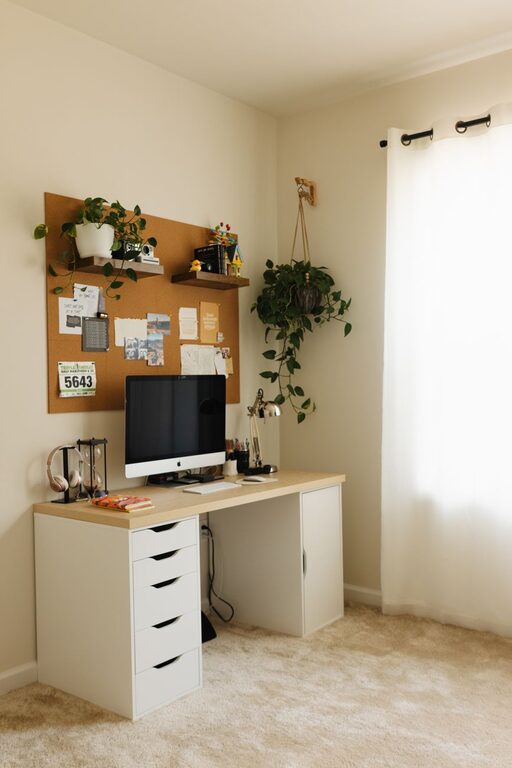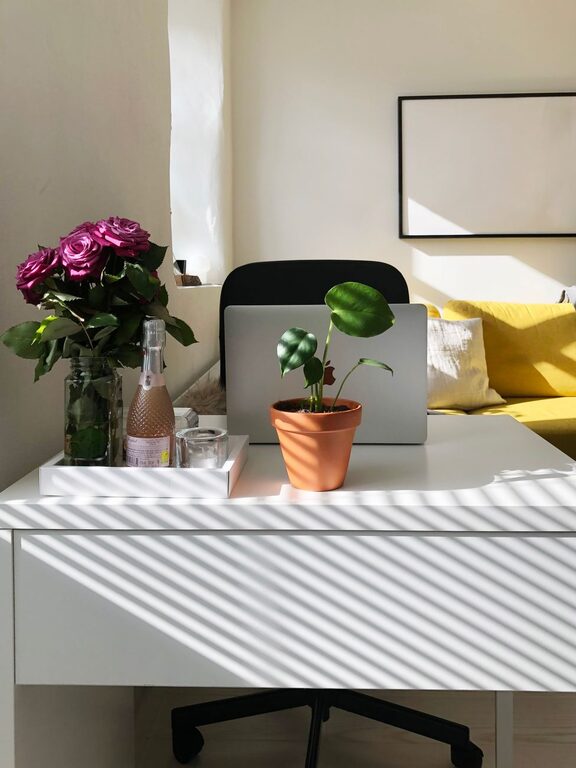
Creating a cozy and inviting home office is more important than ever, as many people spend significant time working from home. A well-designed space can improve focus, boost productivity, and make the workday more enjoyable. Whether you have a dedicated room or a small corner, there are simple ways to make your home office feel comfortable and inspiring. Here are some practical tips to help you design a warm and inviting workspace.
Choose the Right Location
Selecting the right spot for your home office lays the foundation for a cozy space.
– Quiet and bright: Look for a space with natural light and minimal distractions. Near a window is ideal.
– Separate from daily buzz: Try to find a spot away from noisy areas like the kitchen or living room.
– Consider privacy: If you share your home with others, a door or room divider can provide some privacy.
If space is limited, even a corner or a small desk nook can be turned into a cozy office.
Invest in Comfortable Furniture
Comfort is key when spending long hours working.
– Ergonomic chair: Choose a chair with good support to keep you comfortable and prevent back pain.
– Suitable desk: Pick a desk that fits your space and offers enough surface area for your work essentials.
– Flexible options: Sitting and standing desks or adjustable furniture allow for movement throughout the day.
Adding cushions or a soft throw on the chair can increase coziness and add color.
Use Soothing Colors and Textures
Colors and textures greatly influence how your space feels.
– Calming colors: Soft neutrals, light blues, greens, or warm earth tones help create a relaxing vibe.
– Layered textures: Incorporate cozy textiles like rugs, curtains, cushions, or a knit throw.
– Natural elements: Wooden furniture, plants, or woven baskets add warmth and texture.
Avoid overly bright or distracting colors that can make it hard to focus.
Organize with Purpose
A clutter-free environment promotes calm and productivity.
– Storage solutions: Use shelves, filing cabinets, or desk organizers to keep things tidy.
– Minimalist approach: Only keep the essentials on your desk to reduce distractions.
– Cable management: Use clips or sleeves to keep wires neat and out of the way.
Labeling storage boxes and drawers can make it easier to find what you need quickly.
Personalize Your Space
Adding personal touches makes your office inviting and uniquely yours.
– Artwork and photos: Display your favorite pictures, prints, or motivational quotes.
– Desk accessories: Choose items that reflect your style like stylish pen holders or decorative trays.
– Inspiring objects: Add meaningful mementos or plants to bring life and positive energy.
Don’t overdo personalization — balance is key to avoid clutter.
Maximize Lighting
Good lighting reduces eye strain and creates ambiance.
– Natural light: Position your desk near a window to take advantage of daylight.
– Task lighting: Use a desk lamp with adjustable brightness for focused work.
– Ambient lighting: Soft overhead or floor lamps add warmth to the room.
Opt for warm white bulbs that create a cozy atmosphere rather than harsh fluorescent light.
Add Greenery
Plants can brighten your workspace and improve air quality.
– Easy-care plants: Succulents, pothos, or snake plants are low maintenance.
– Variety: Mix small plants on your desk with larger floor plants if space allows.
– Planters: Choose pots that complement your decor for an added design boost.
Remember to water and care for your plants regularly to keep them thriving.
Manage Noise and Distractions
Creating a quiet, focused area is vital to productivity.
– Noise-cancelling headphones: These help block out background noise.
– White noise machines or apps: They create a soothing sound backdrop.
– Soft furnishings: Rugs, curtains, and cushions can also absorb sound and reduce echoes.
If noise is a constant problem, consider soundproofing options like door sweeps or acoustic panels.
Keep It Flexible
Your home office should adapt to your changing needs.
– Modular furniture: Pieces that can be rearranged or expanded allow for flexibility.
– Dual-purpose spaces: If your office is part of another room, use foldable desks or storage to keep it neat.
– Change with seasons: Swap out rugs, throws, or lighting to keep the space fresh and comfortable year-round.
A flexible space helps maintain comfort and functionality as your work habits evolve.
—
Creating a cozy and inviting home office doesn’t require a complete makeover. By focusing on comfort, organization, lighting, and personal touches, you can build a space that supports your work and nurtures your well-being. Start with small changes and enjoy the process of making your workspace your own cozy retreat.