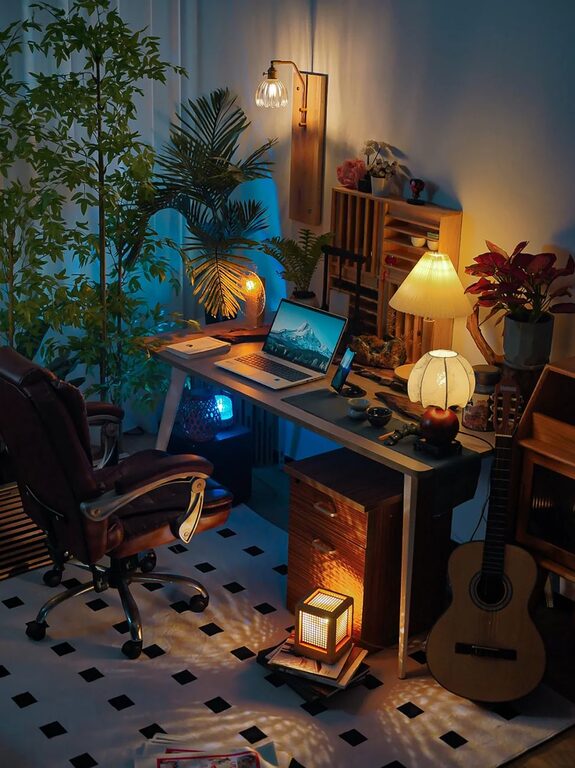
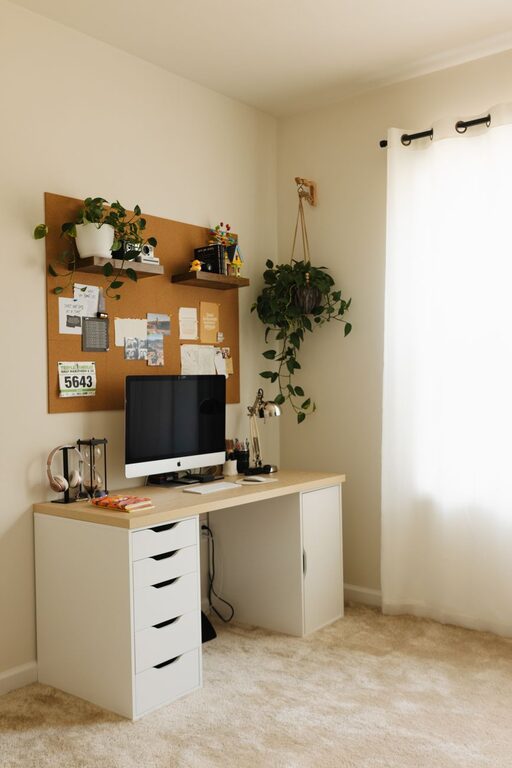
Creating a home workspace that is both cozy and productive can make a big difference in your daily work experience. Whether you work remotely full-time or need a spot for occasional tasks, your environment influences how motivated and comfortable you feel. In this guide, we’ll explore practical tips to help you design a home office space that encourages focus while feeling inviting.
Why a Cozy Workspace Matters
A cozy workspace is more than just a nice-looking area; it supports your well-being and efficiency. When your workspace is comfortable, you’re less likely to feel stressed or fatigued, which helps maintain attention for longer periods. At the same time, productivity benefits when your space is organized and free from distractions.
Choose the Right Location
Find a Quiet Spot
Select a part of your home where you can work without frequent interruptions. This might be a spare room, a corner of the living room, or even a nook near a window. The goal is to minimize noise and foot traffic that can break your concentration.
Consider Natural Light
Natural light helps reduce eye strain and boosts mood. Position your desk near a window if possible, but avoid glare on your computer screen. If your space lacks daylight, invest in good lighting options like adjustable desk lamps with warm light.
Invest in Comfortable Furniture
Ergonomic Chair and Desk
An ergonomic chair supports your back and encourages good posture, which is essential for long hours at a desk. Pair it with a desk at the right height to prevent strain on your arms and wrists.
Personalize Your Seating Area
Add cushions or a soft throw to make your chair more inviting. If you like to switch between sitting and standing, consider a sit-stand desk or a convertible workspace.
Organize Efficiently
Keep Essentials Within Reach
Arrange your most frequently used items — pens, notebooks, chargers — close to your work area. This reduces time wasted searching for tools.
Use Storage Wisely
Incorporate shelves, drawers, or organizers to keep clutter at bay. Label boxes or bins to quickly find what you need without making a mess.
Cable Management
Use clips, sleeves, or cable boxes to keep cords neat and prevent tangling. A tidy desk helps create a calm and focused environment.
Add Cozy Elements
Soft Textiles
Incorporate rugs, curtains, and pillows to soften your workspace. These tactile elements can make your area feel warmer and more welcoming.
Greenery
Indoor plants offer several benefits: they improve air quality and add a touch of nature. Choose easy-care plants like succulents or pothos if you’re new to gardening.
Personal Touches
Display photos, artwork, or inspirational quotes that make you smile. Personal touches make the space uniquely yours and help motivate you during tough days.
Minimize Distractions
Designate Work Hours
Set clear times for work and breaks, helping you stay disciplined. Communicate your schedule to family or roommates to limit interruptions.
Use Noise Control Tools
If background noise is unavoidable, consider noise-canceling headphones or playing white noise to improve focus.
Manage Digital Distractions
Turn off non-essential phone notifications or use apps that limit social media during work hours.
Maintain Proper Lighting
Layered Lighting
Combine ambient lighting from ceiling fixtures with task lighting at your desk. Adjustable lamps let you control brightness based on your activities.
Light Color Temperature
For work, neutral to cool white light (around 4000K to 5000K) can improve focus. For relaxation during breaks, switch to warmer tones (2700K to 3000K).
Keep Your Workspace Clean
Daily Tidying
Spend a few minutes at the end of each day to clear your desk, put away supplies, and wipe down surfaces.
Weekly Deep Clean
Once a week, dust shelves, vacuum the floor, and clean electronics to maintain a healthy, inviting space.
Incorporate Movement and Breaks
Stretch and Move
Set reminders to stand, stretch, or walk every hour. Movement prevents stiffness and refreshes your mind.
Break Zones
If space allows, create a nearby comfort zone—a chair or cushion away from your desk—where you can step away briefly and relax.
Final Thoughts
Designing a cozy and productive home workspace doesn’t require a large budget or a dedicated room. With thoughtful planning, comfortable furniture, and smart organization, you can create a space that helps you feel happy and focused. Remember to customize your environment to suit your work style and preferences. Small changes can lead to big improvements in both comfort and productivity.